

Interior vs. Exterior Basement Waterproofing in Maplewood, NJ: Which Does Your Home Actually Need?
Choosing the right basement waterproofing method affects the long-term health of your home, and Maplewood, NJ, homeowners face specific conditions that make this choice especially important. Whether you are dealing with a damp wall, standing water after a storm, or visible foundation cracks, understanding the difference between interior and exterior waterproofing helps you act with confidence. Homeowners researching interior basement waterproofing in Maplewood, NJ, will find this comparison particularly useful.
How Interior and Exterior Waterproofing Actually Work
Interior and exterior waterproofing address moisture from opposite directions. Interior systems manage water that has already entered your basement; exterior systems stop water before it reaches your foundation walls.
Interior Waterproofing: Managing Water from the Inside
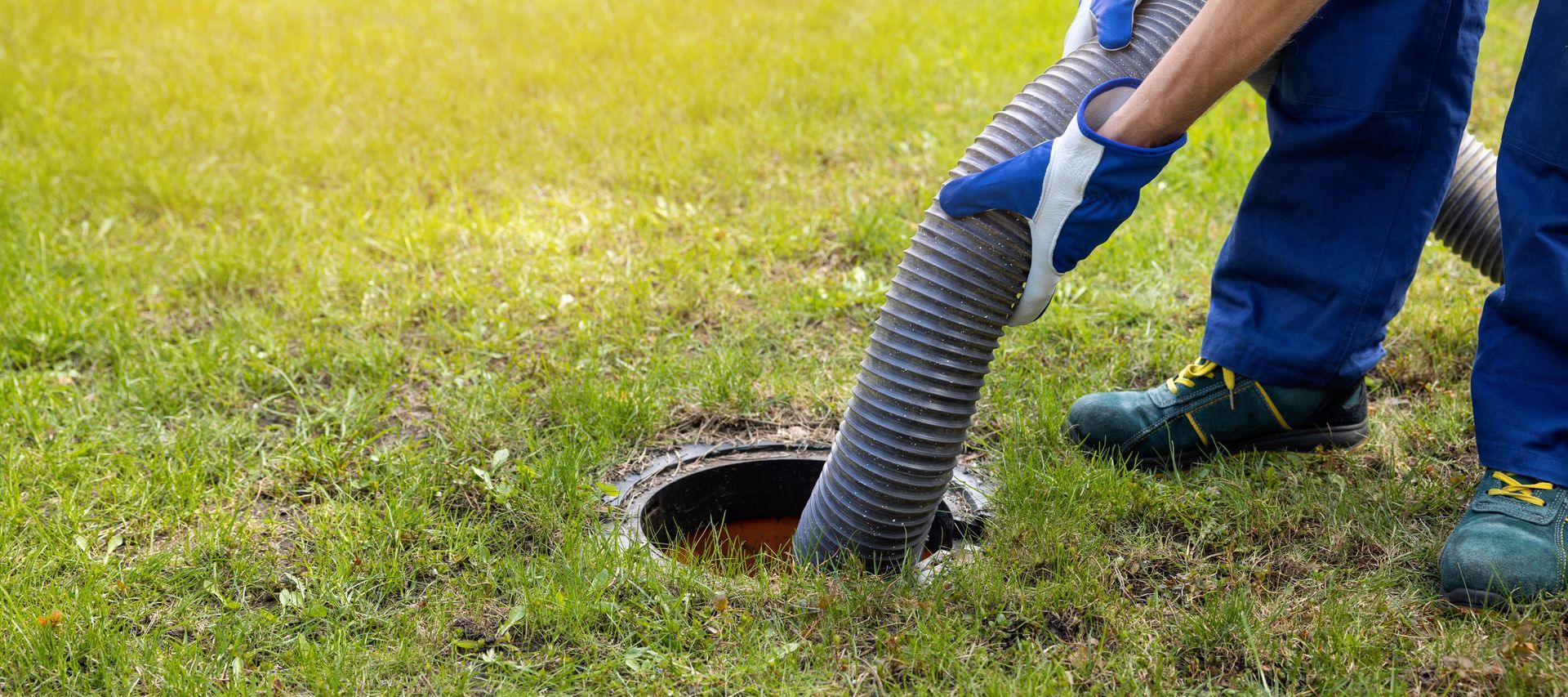
Interior basement waterproofing in Maplewood, NJ, involves installing a drainage channel along the inside perimeter of your basement floor. Water that seeps through walls or the floor is directed into this channel and routed to a sump pump, which moves it away from your home. This approach does not stop water from entering the wall itself, but it prevents pooling and damage. It is less disruptive, faster to install, and requires no excavation.
Exterior Waterproofing: Stopping Water at the Source
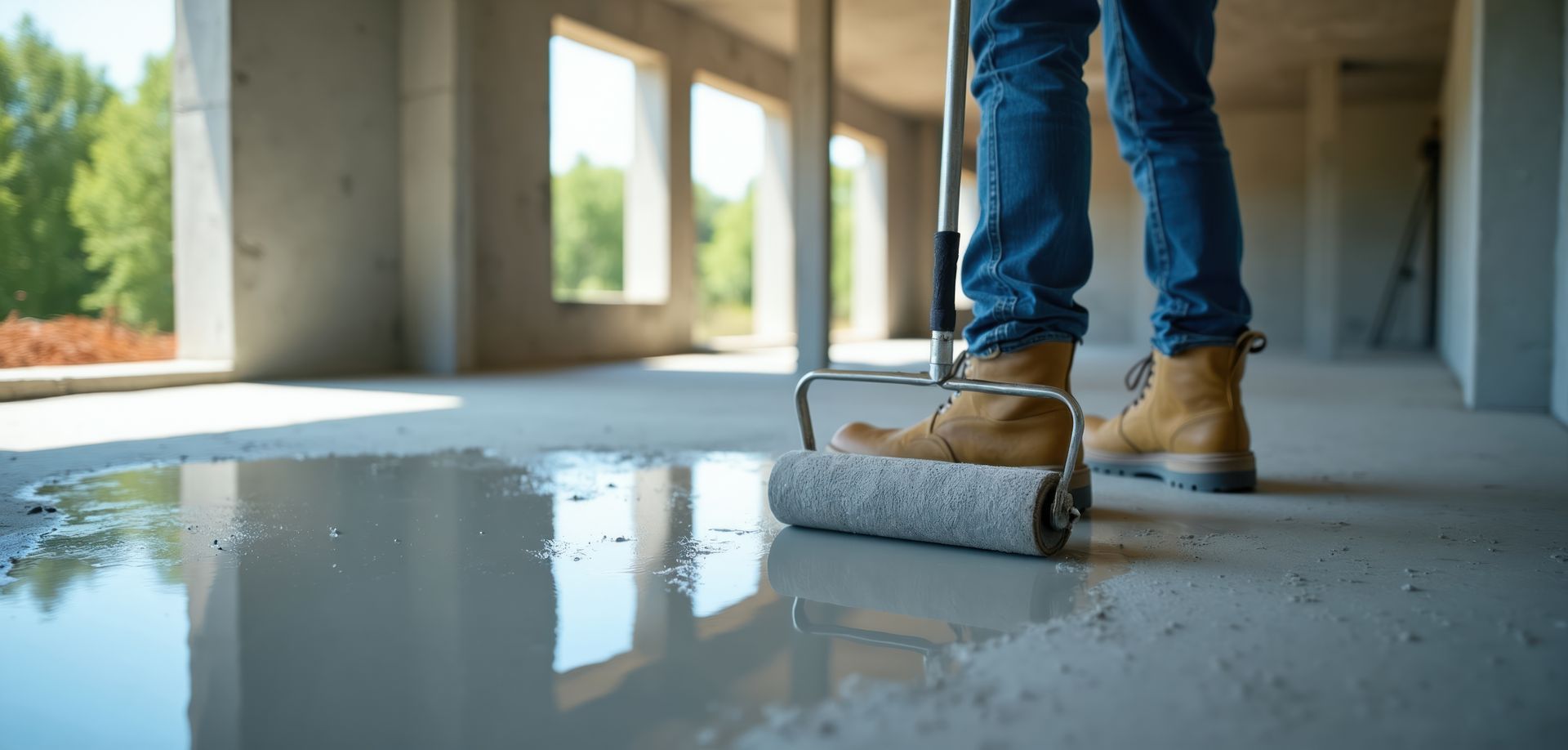
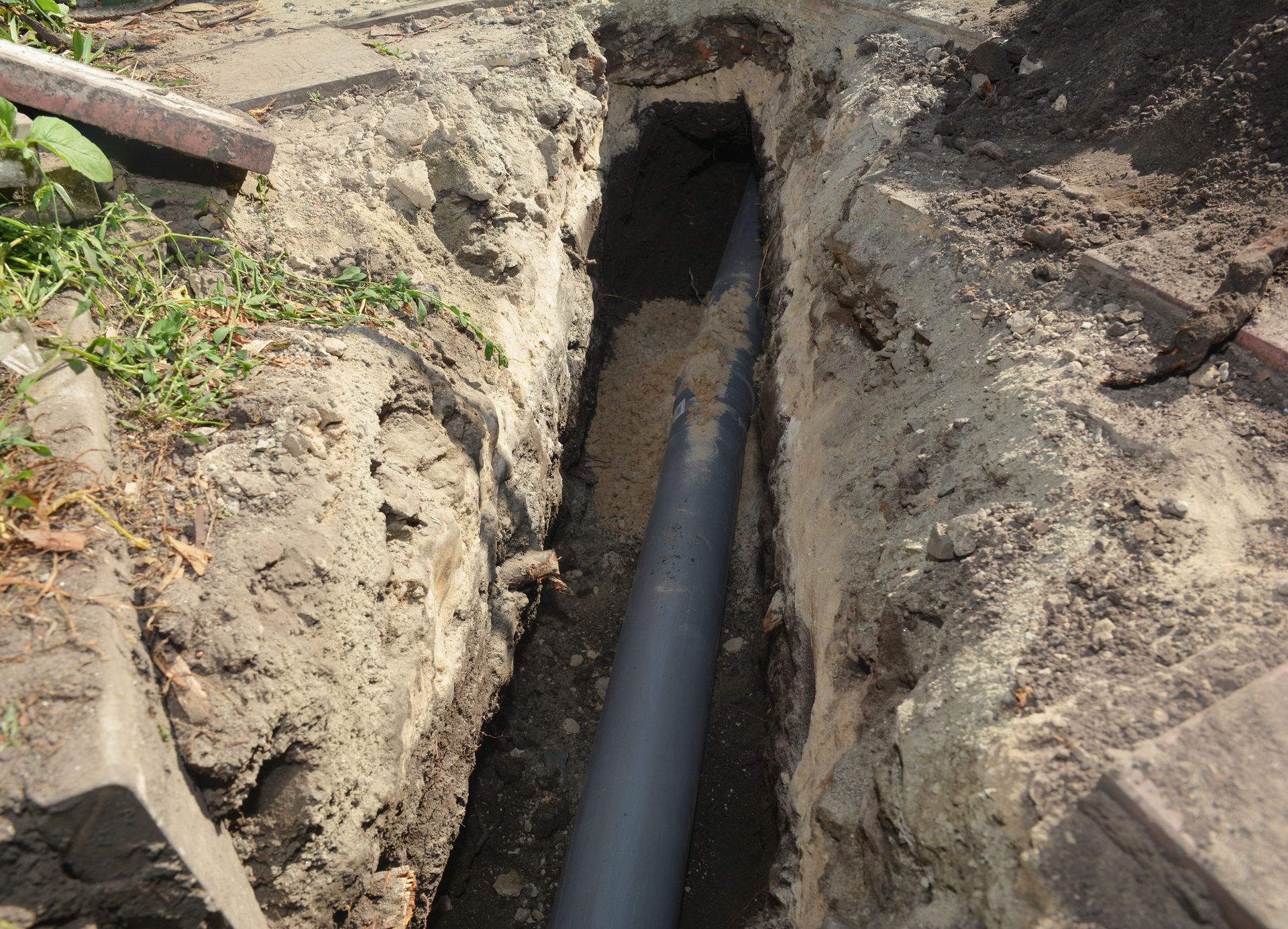
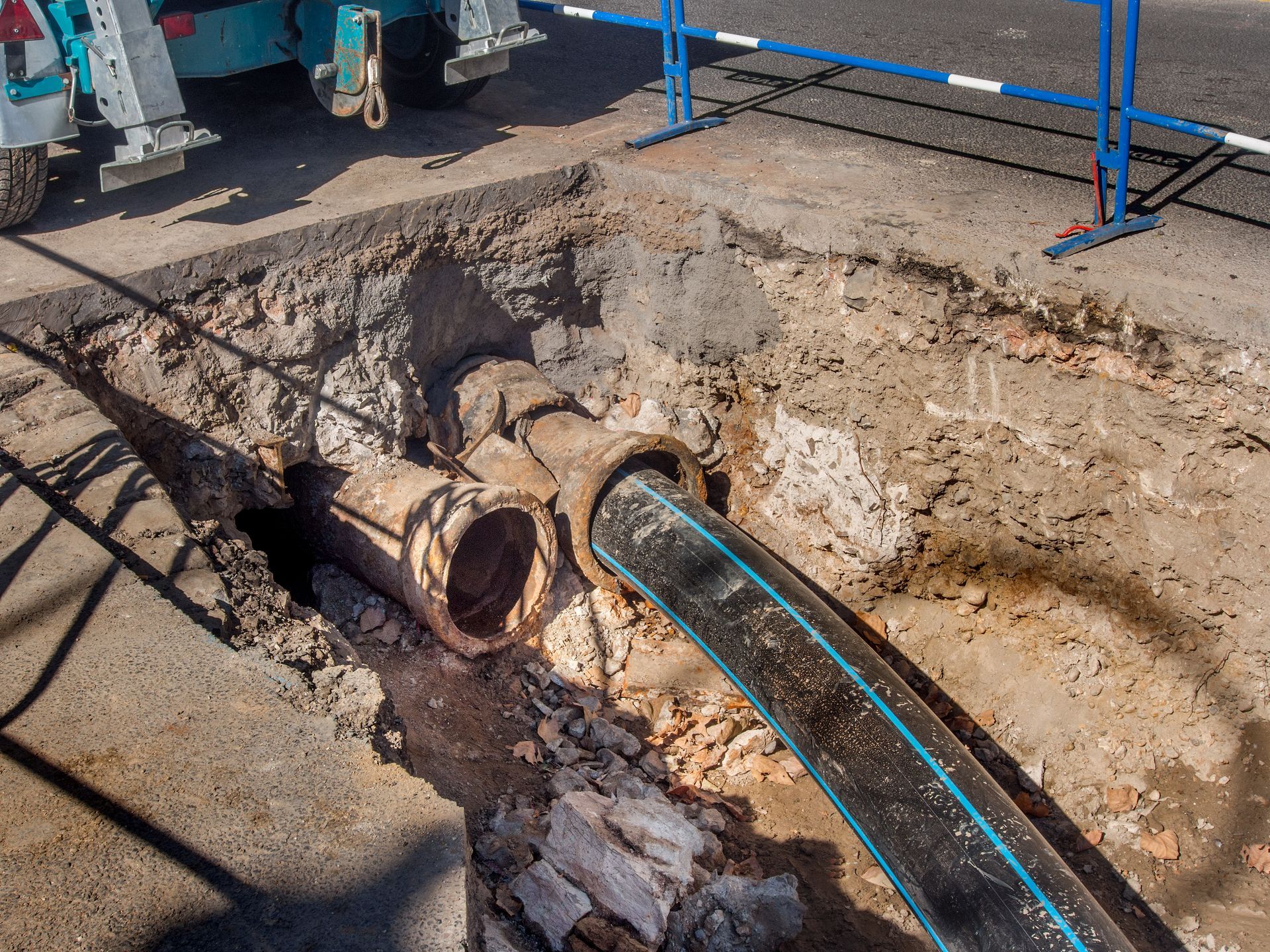
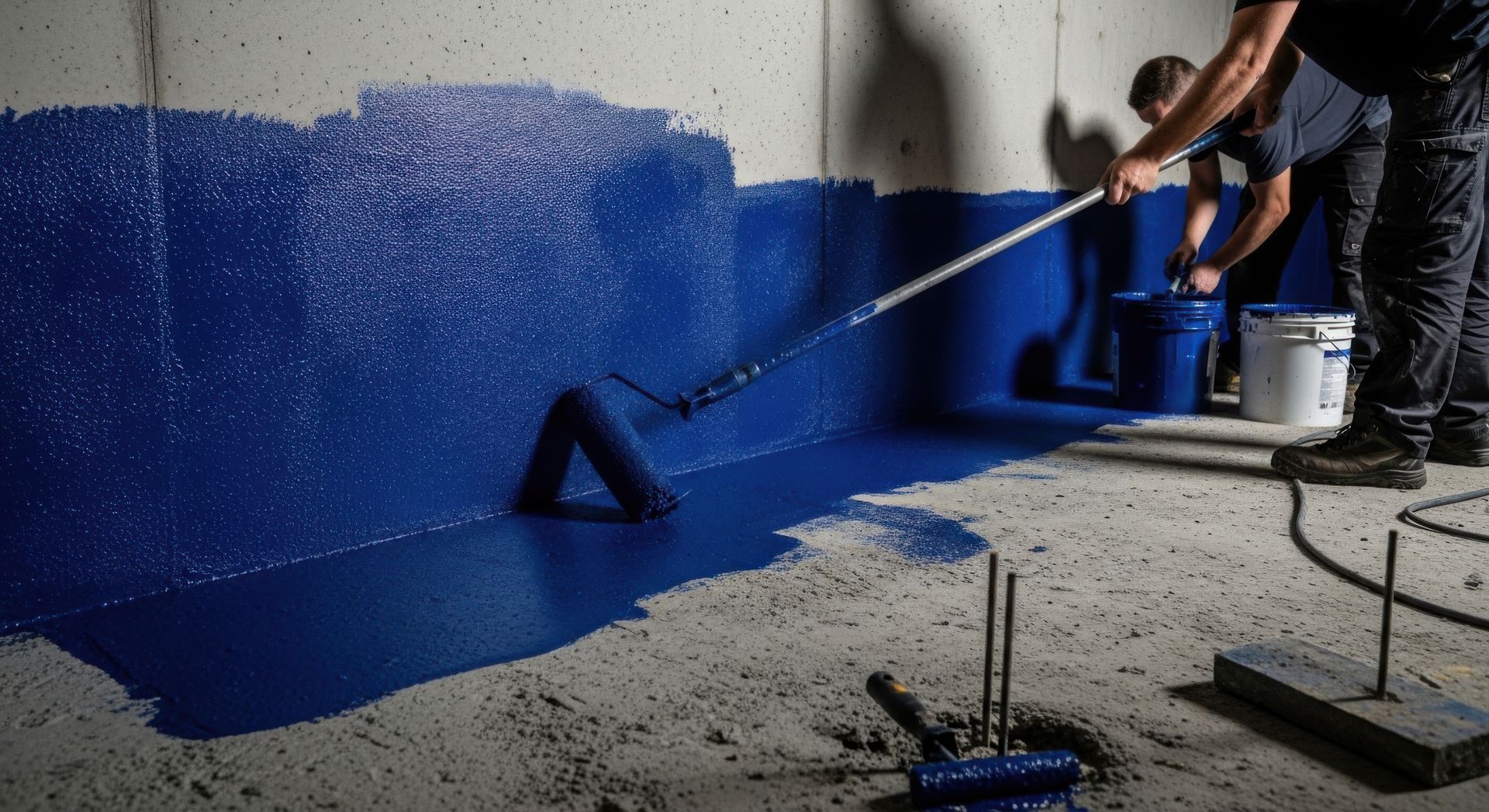
Exterior waterproofing involves digging down to the base of your foundation walls and applying a waterproof membrane directly to the outside surface. A drainage board and footing drain redirect water away from the foundation entirely. Because this method addresses water before it contacts the wall, it can offer more complete protection in some situations. However, it requires significant excavation, more time, and greater disruption to your property.
What Maplewood Soil and Climate Mean for Your Basement
Maplewood's local conditions directly affect how water behaves around your foundation. Clay-rich soils common in and around the borough expand and contract significantly with moisture changes, putting pressure on foundations during wet periods and causing settlement during dry spells.
Essex County experiences nearly 49 inches of rain and 28 inches of snow annually, well above national averages, along with 40 or more freeze-thaw cycles each winter. That repeated ground movement can widen foundation cracks over time, creating new entry points for water. Many of Maplewood's homes were built in the early to mid-20th century, meaning foundations may already reflect decades of this pressure. For these older homes especially, interior basement waterproofing in Maplewood, NJ, is often a practical first line of defense against ongoing moisture intrusion.
Which Method Is Right for Your Home?
The right choice depends on the source and severity of your water problem. Interior basement waterproofing in Maplewood, NJ, is typically the better fit when water intrusion comes through the floor or lower wall joints, when excavation is not practical due to landscaping or tight lot lines, or when you need a fast solution with minimal disruption. It is also common when exterior waterproofing has degraded but full excavation is not currently feasible.
Exterior waterproofing may be worth considering when the foundation wall is severely cracked from the outside, when water enters at or above grade level, or when a full foundation repair is already planned and excavation is unavoidable.
In many cases, both systems work together. An interior drain and sump pump handle water that gets through, while an exterior membrane keeps the wall healthier over time.
Signs You May Need Interior Waterproofing
▸ Water or moisture on the basement floor after rain.
▸ Efflorescence (white chalky residue) on lower wall sections.
▸ A musty smell that worsens after storms.
▸ Wet spots at the base of walls or near floor joints.
▸ A sump pump that is overwhelmed or not yet installed.
Signs Exterior Work May Be Needed
▸ Large cracks running through the middle or upper foundation wall.
▸ Bowing or bulging foundation walls.
▸ Water entering at or near grade level rather than at the floor.
▸ Active soil erosion or pooling directly against the foundation exterior.
Which Approach Costs Less?
Interior waterproofing is generally the more accessible option because it avoids the labor and equipment required for excavation. Exterior projects involve heavier machinery, longer timelines, and landscaping restoration. When homeowners compare options, interior basement waterproofing in Maplewood, NJ, frequently offers the faster path to a dry basement at a lower upfront cost. For a cost estimate tailored to your home, request a free estimate before committing to either approach.
Does Waterproofing Add Value to a Maplewood Home?
A dry, protected basement can make a meaningful difference when it comes time to sell. Buyers and inspectors in the Essex County market pay close attention to moisture and foundation conditions. A documented waterproofing system supports buyer confidence and reduces the chance of last-minute negotiation surprises. Investing in interior basement waterproofing in Maplewood, NJ, before listing your home can strengthen your position with prospective buyers who prioritize a sound foundation.
Get the Right Solution from a Trusted Local Team
Gregory's Waterproofing has been serving New Jersey homeowners since 1956, offering basement drainage and waterproofing solutions built for the real conditions homes in this region face. Its team can assess your situation and recommend the method that addresses the actual source of your moisture problem, without overselling work you may not need.
To learn more about basement waterproofing services or to schedule a free inspection, call 732-381-7928 or request an estimate online. You can also find and review Gregory's Waterproofing on Google to see what your neighbors have to say.