

Trenchless vs. Traditional Sewer Line Replacement: What Maplewood NJ Homeowners Should Know in 2026

Homeowners in Maplewood, NJ, face a real decision when sewer line replacement becomes necessary: go trenchless or stick with traditional excavation. Both methods can get the job done, but the right choice depends on your pipe's condition, your yard, and the specific realities of older Essex County homes. This article breaks down how each method works, when each one makes sense, and what local factors in Maplewood matter most.
How Each Sewer Line Replacement Method Works
Traditional Excavation
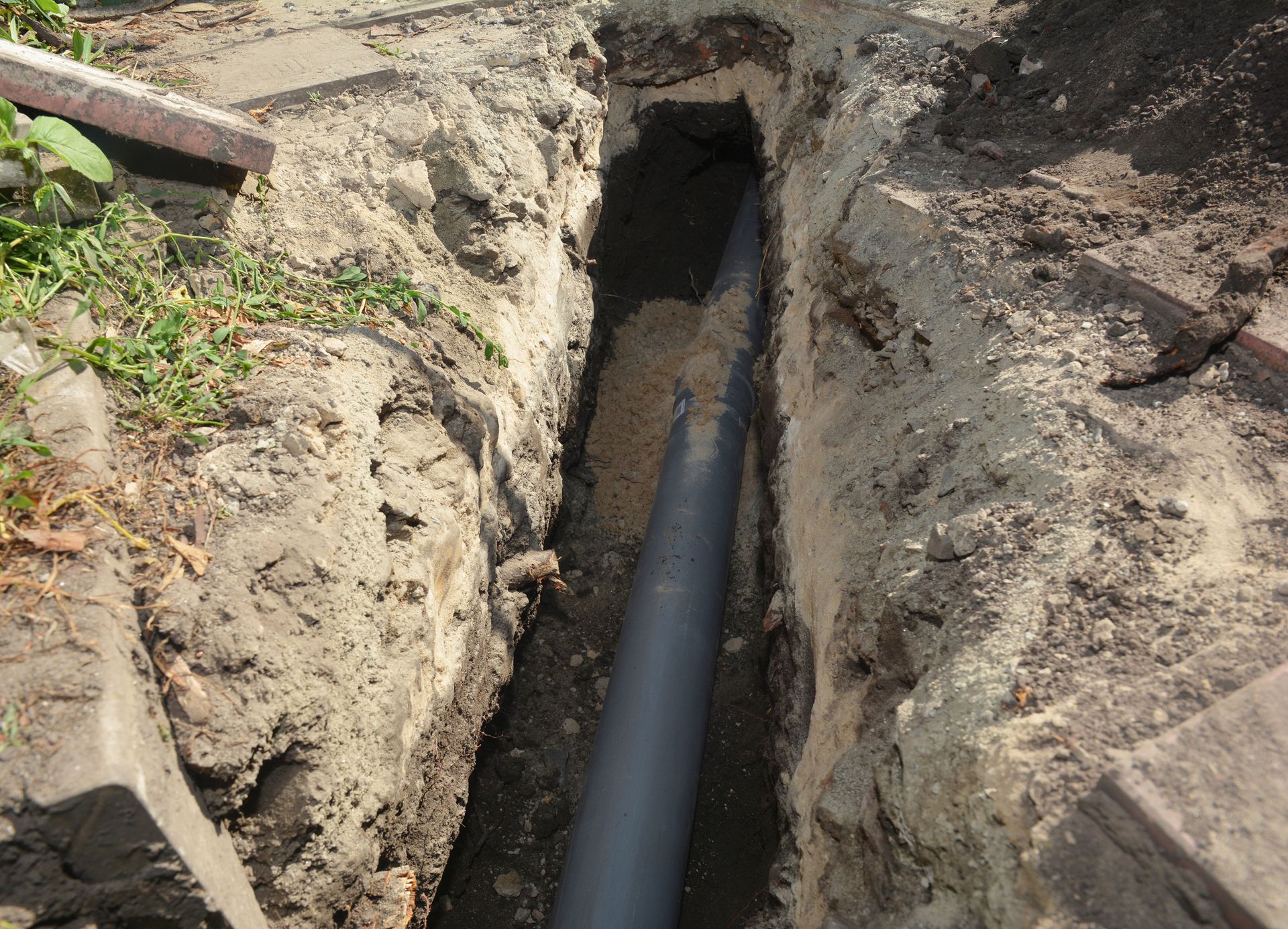
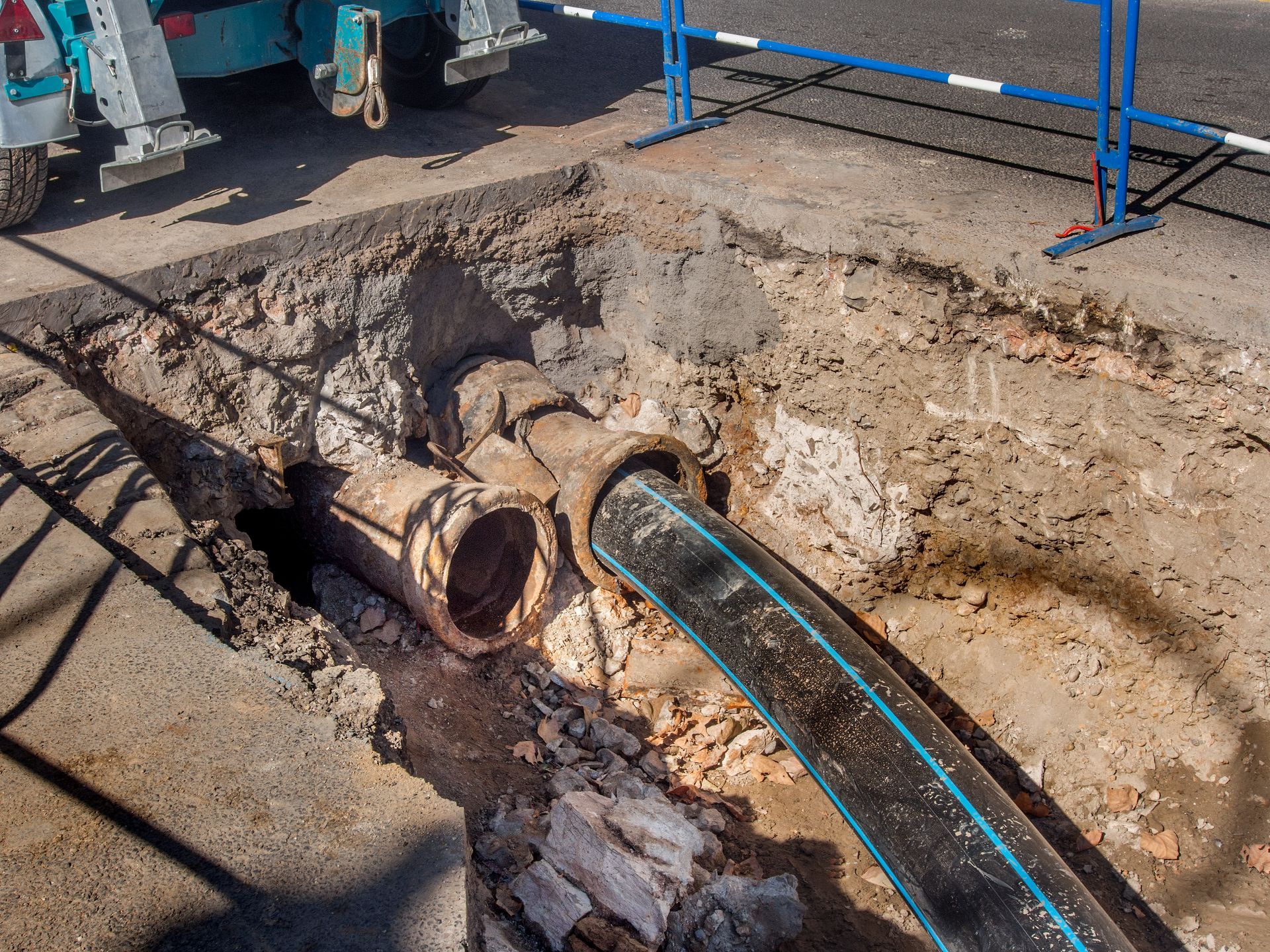
Traditional excavation is the older, more familiar method. Workers dig a continuous trench along the damaged pipe, remove the old line, and install a new one. Heavy equipment is typically required, and anything above the pipe, such as grass, landscaping, driveways, or patios, may need to be removed and restored afterward.
Trenchless Pipe Lining (CIPP)
Cured-in-place pipe lining inserts a flexible, resin-coated liner into the existing damaged pipe. Once in position, the liner is inflated and cured, creating a new pipe inside the old one. This method works through small access points rather than a full trench, making it far less disruptive to your yard.
Trenchless Pipe Bursting
Pipe bursting is used when the existing pipe is too far gone for lining. A bursting head is pulled through the old pipe, fracturing it outward while simultaneously pulling a new pipe into place. Like CIPP lining, it requires only small entry and exit pits rather than a full excavation.
When Is Each Method the Right Choice?
When Trenchless May Be the Better Fit
Trenchless methods work well when the pipe still has structural integrity. If the damage is limited to cracks, minor root intrusion, corrosion, or partial deterioration, CIPP lining or pipe bursting may restore function with much less disruption. These methods are especially useful when the line runs beneath established landscaping, a driveway, or a patio you want to preserve.
When Traditional Excavation May Be Necessary
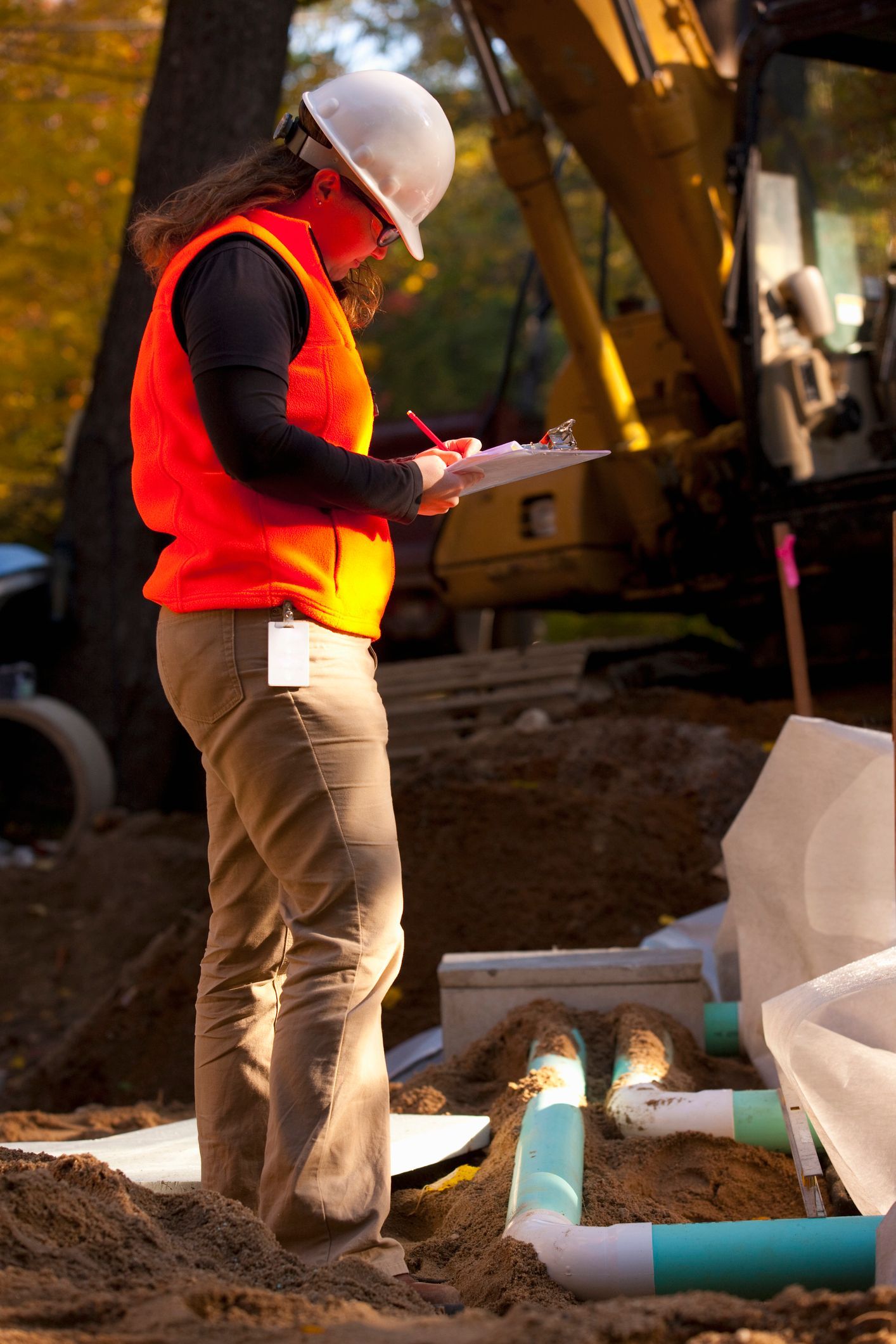
If a pipe has fully collapsed, become severely misaligned, or developed significant bellying, excavation may be the only reliable fix. Severe grade problems require full access to re-establish proper slope, which only open-cut work can achieve. A camera inspection is the critical first step in every project, allowing a technician to identify the exact damage and determine which approach is feasible.
What Maplewood NJ Homeowners Should Know About Local Conditions
Older Pipe Materials Are Common
Many Maplewood homes were built in the early to mid-1900s and can have original clay, Orangeburg, or cast iron pipes. Clay and Orangeburg pipes are particularly prone to cracking and root intrusion. Cast iron corrodes over time but can be harder to burst with trenchless equipment. The pipe material in your home will influence which method is practical.
Shifting Soil Creates Added Stress
Maplewood's mix of clay and sandy soil can shift and settle over time, accelerating cracks and misalignment in aging infrastructure. Soil movement can also cause bellied sections that may require excavation even when the rest of the pipe is in reasonable condition.
Mature Trees Are a Frequent Cause of Damage
Many Maplewood streets are lined with mature oaks, maples, and other large trees whose roots actively seek moisture. Root intrusion into clay or Orangeburg pipe joints is one of the most common reasons sewer lines fail in established Essex County neighborhoods. If caught early, trenchless lining may resolve it. Severe root penetration that has compromised the pipe wall may require pipe bursting or excavation.
Yard Access and Surface Conditions Matter
Some Maplewood properties have mature landscaping, historic hardscaping, or limited yard space. In these cases, trenchless methods can be particularly valuable because they minimize surface disruption. If the line runs beneath a concrete driveway, both trenchless and traditional approaches involve some surface work, so discuss access specifics with your contractor upfront.
How Long Does Sewer Line Replacement Typically Take?
Most projects take one to three days, depending on pipe length, depth, soil conditions, and damage complexity. Trenchless options may shorten that timeline, while traditional excavation takes longer due to trenching, pipe removal, backfilling, and surface restoration.
Does Pipe Depth Affect Which Method Is Used?
Yes. Deeper pipes require more excavation and shoring, and carry higher risk for open-cut work. Trenchless methods can sometimes be more practical for deeply buried lines, though accessibility still needs to be evaluated case by case.
Can a Damaged Sewer Line Affect My Home's Foundation?
It can. A leaking sewer line can saturate soil beneath a foundation, leading to settling and long-term structural issues. If you notice foundation cracks alongside slow drains or recurring backups, both issues may share a common cause worth investigating together.
What Are the Signs That I May Need Sewer Line Replacement?
Common warning signs include slow drains throughout the house, foul odors inside or outside, sewage backups, and wet or sunken patches in your yard. A professional inspection confirms whether repair or full replacement is the right path. Learn more on our sewer system replacement page.
Get Expert Help Serving Maplewood, NJ
When your home needs a sewer line replacement, the method matters, and so does experience with local conditions. Gregory's Waterproofing serves Maplewood, NJ, and the surrounding Essex County area, helping homeowners navigate pipe inspections, method selection, and full replacements tailored to older New Jersey homes. The right answer starts with a proper assessment. Request a free estimate online or call (732) 381-7928 to schedule your inspection today.